
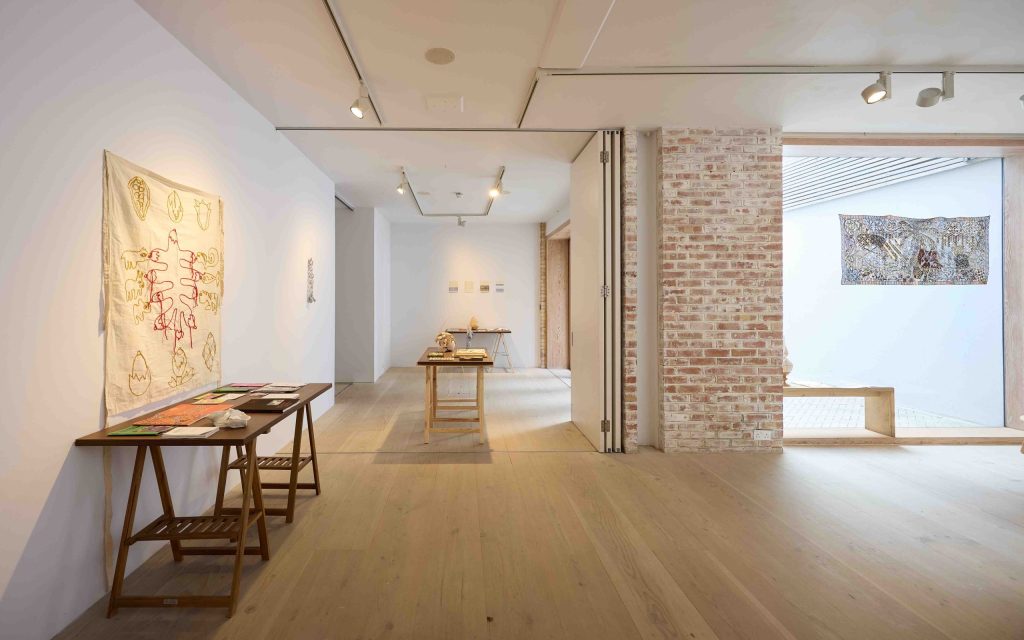
As part of Delfina Foundation’s Spring Season 2026 thematic programme, Making and Materiality, an exciting group of seven emerging artists, makers and researchers came together in the to explore the relationships between fine art, craft and design.
While Delfina was also their home, our Project Space became studios for residents to research, experiment, exchange ideas and develop new directions in their work.
The reflections below offer a glimpse into some of the experiences and discoveries that shaped their time here.
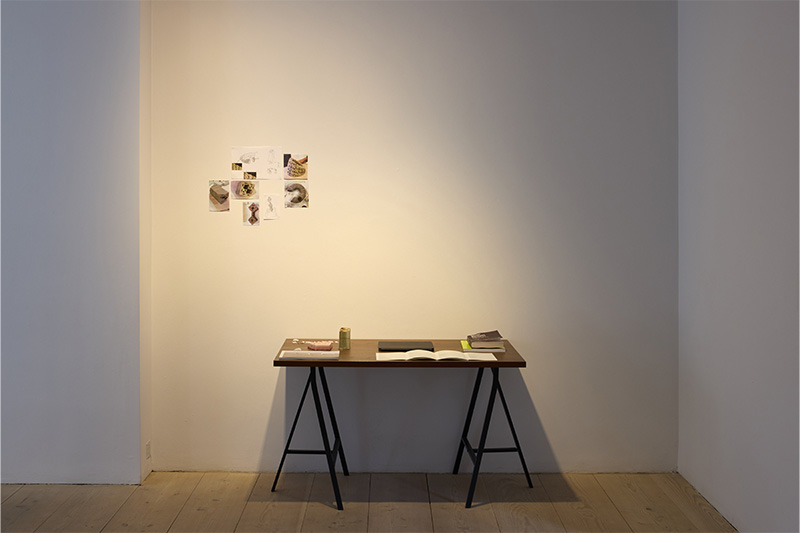
Madina Joldybek: During my residency at Delfina, I continued researching free play, care work, and the visibility of mothers in public space. I keep returning to the idea that raising human beings is never a private matter but a shared social infrastructure. It is a conversation that belongs not only to parents, but also to those without children, those who may become parents one day, and those who cannot—because the way we imagine care shapes how we coexist with one another.
During this time, I initiated the Forbidden Playground family festival in Almaty Museum of Arts, where one of the most moving moments was watching children quietly take over the museum. As they explored the galleries on their own terms, families began to inhabit the space differently—not as visitors who needed permission, but as people who instinctively belonged there. It made me wonder how public institutions might change if they were designed around care, curiosity, and shared presence, rather than quiet observation.
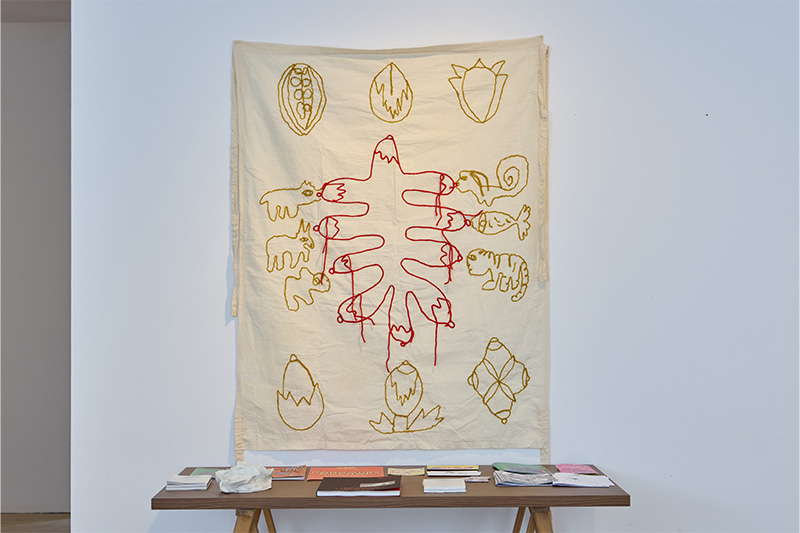
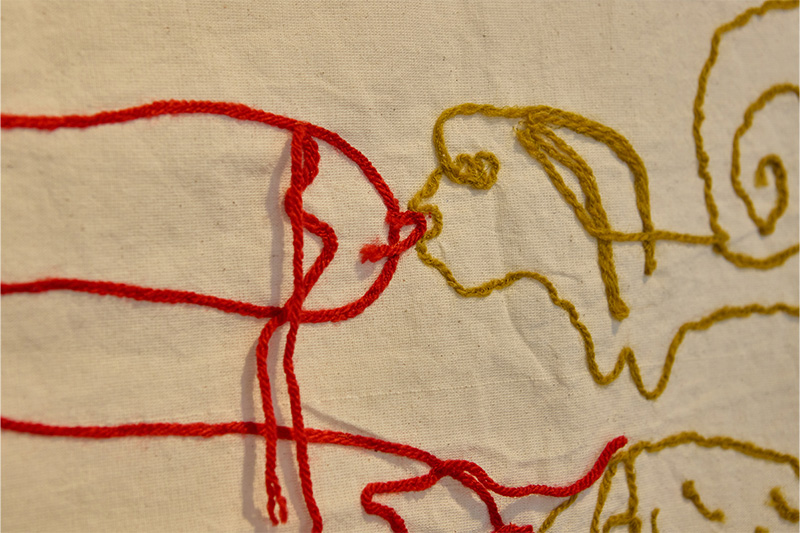
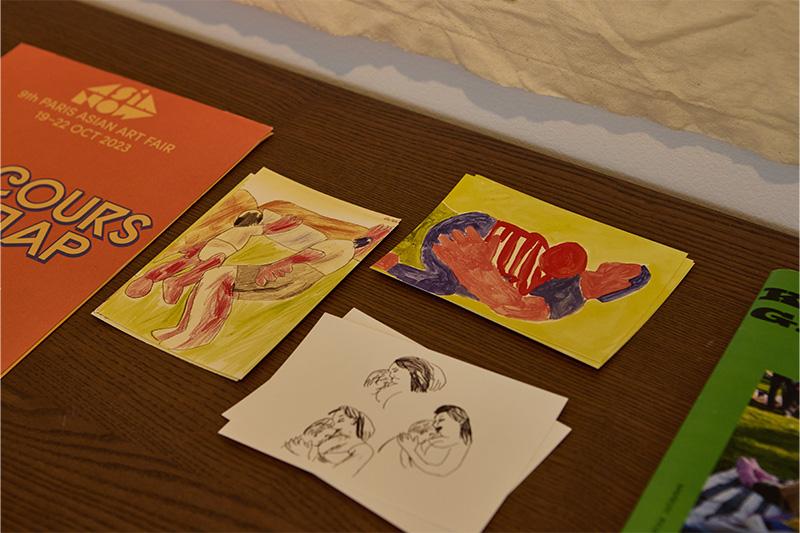
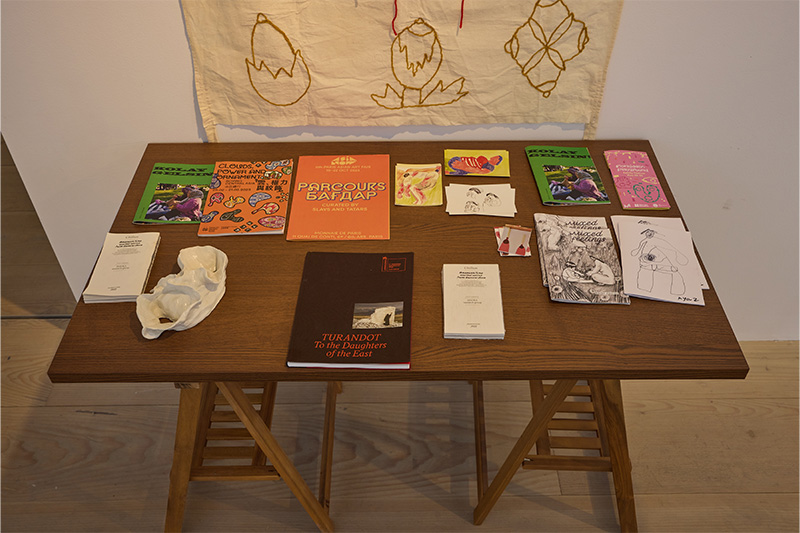
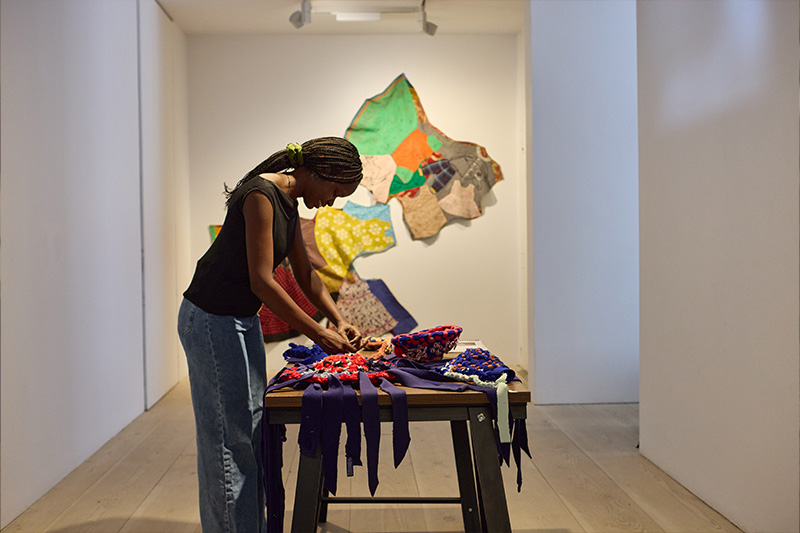
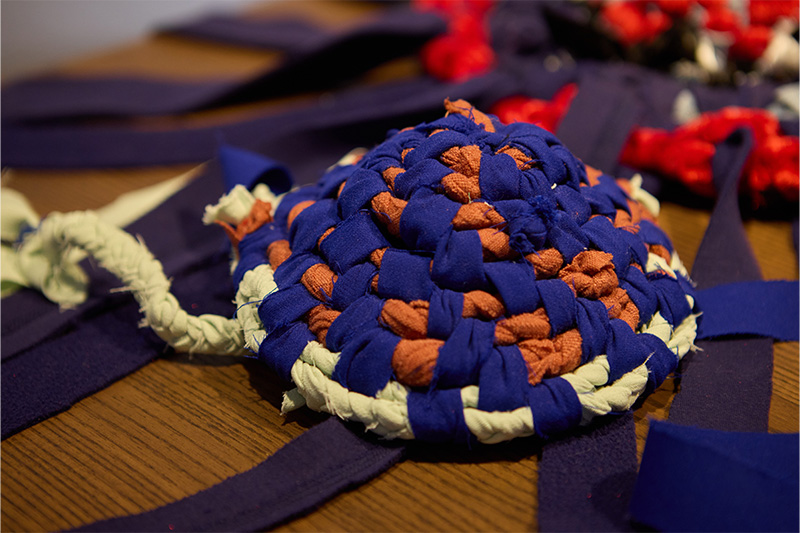
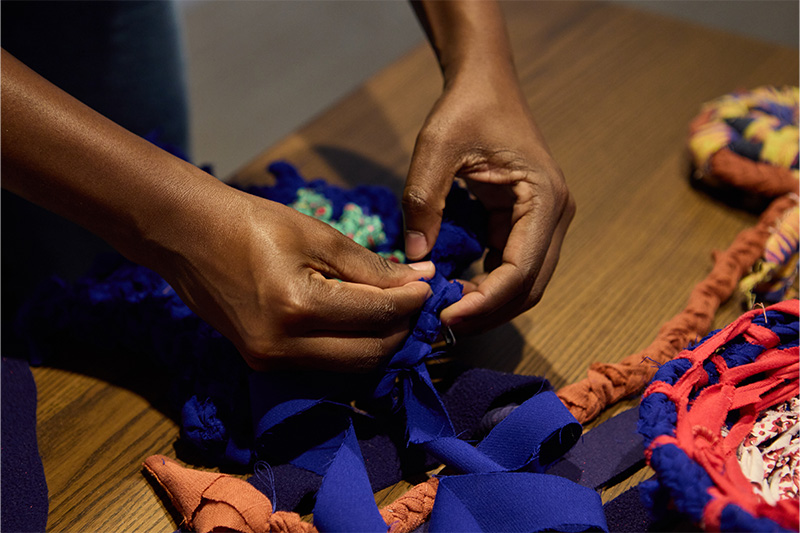
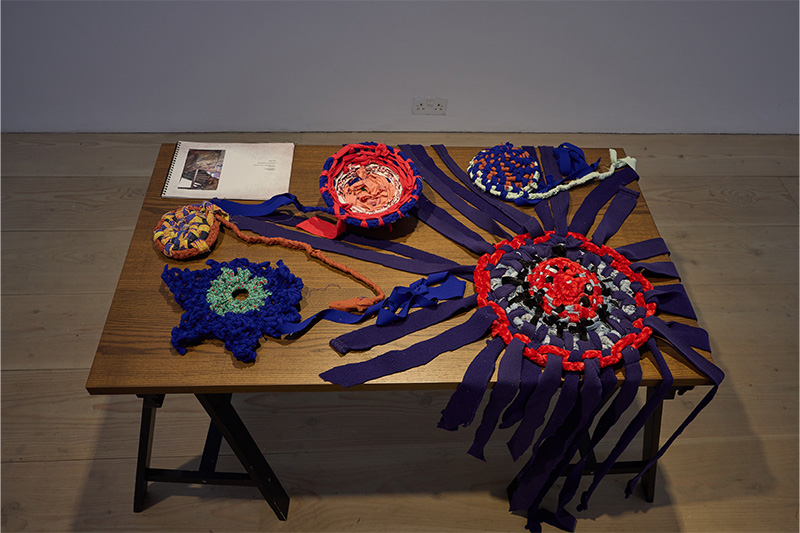
Defne Tesal: My time at Delfina Foundation was dedicated to research, experimentation, and giving ideas the time and space to unfold without the pressure of producing a finished outcome. The freedom to think without the expectation of an immediate physical result allowed me to be more open—to observe, experience, and remain receptive. Rather than working from a dedicated studio, my room, libraries, museums, workshops, and the city itself became my workspace.
I spent time studying colour systems, historical basketry, woven objects, and paintings, while experimenting with new materials and techniques through workshops. Equally important were the conversations and exchanges with fellow residents, artists, curators, and everyone I encountered along the way, which became an essential part of the process. Many of the ideas that emerged during this time are still unfolding, and I look forward to seeing where they lead.
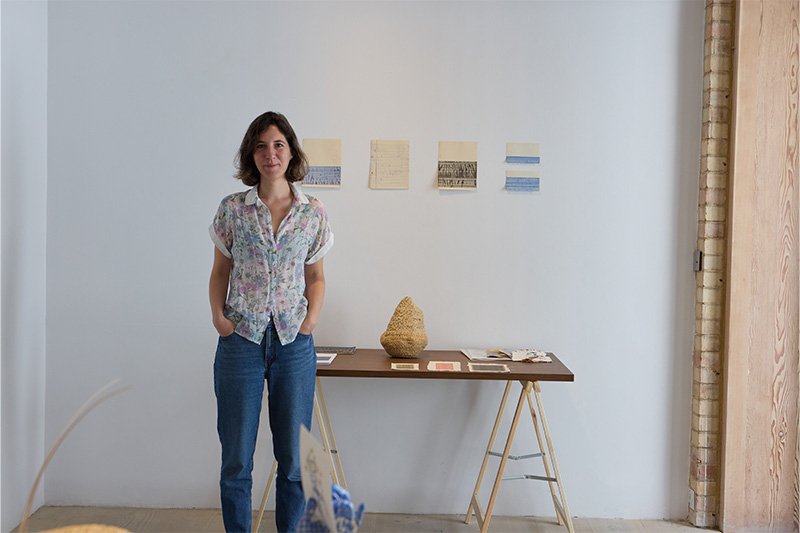
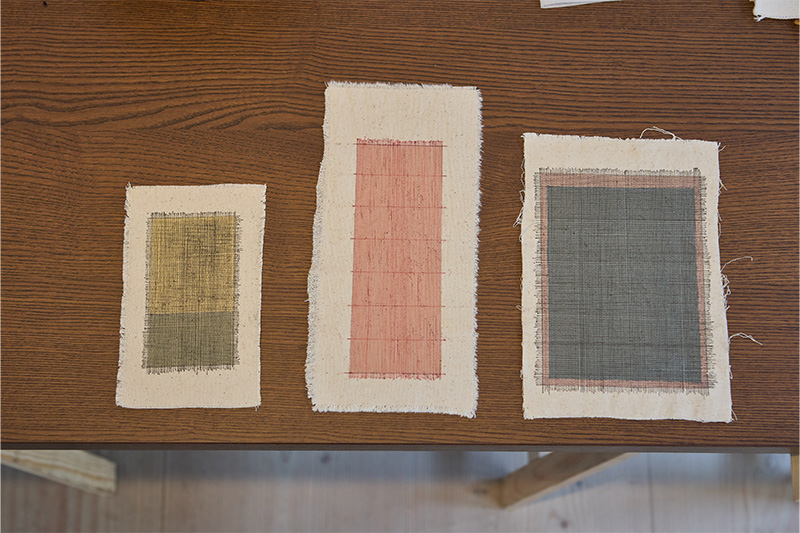
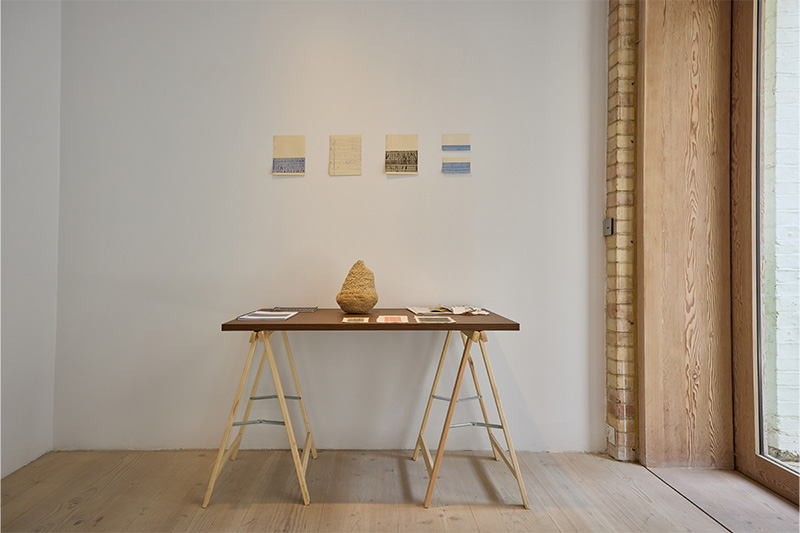
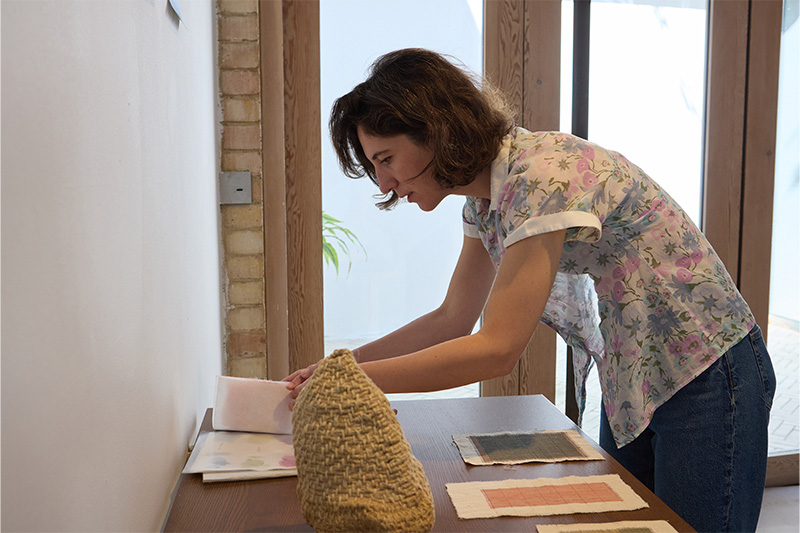
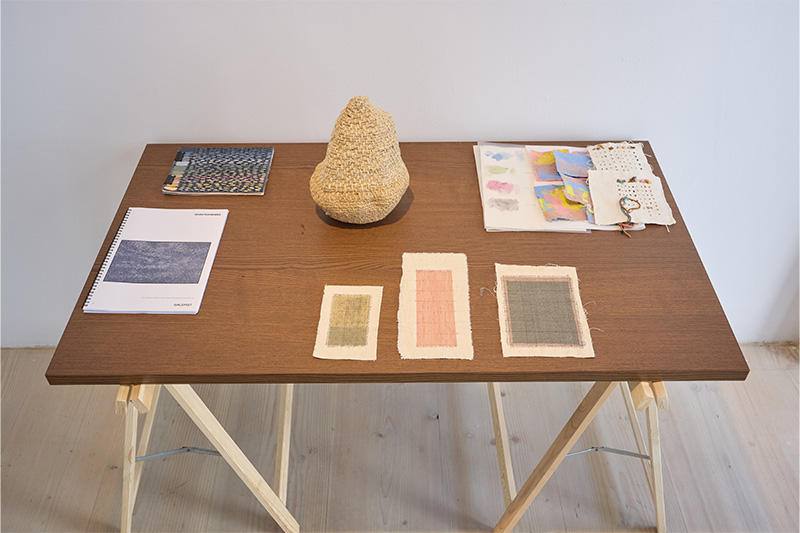
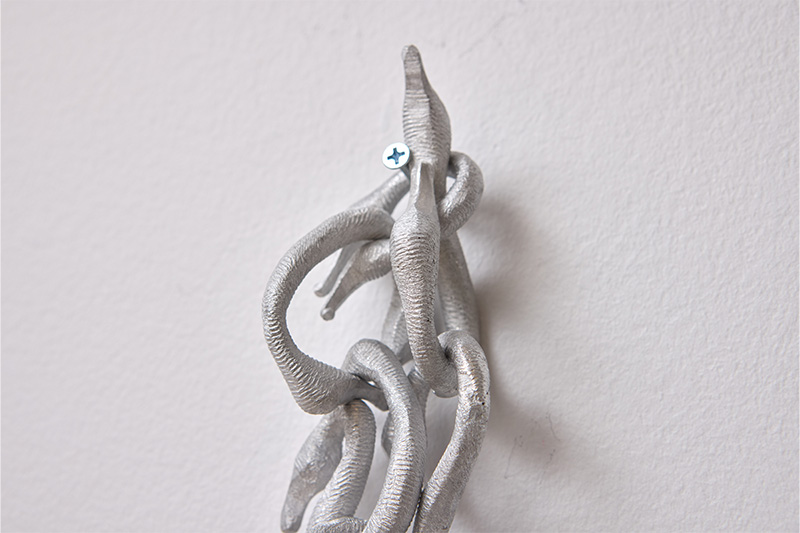
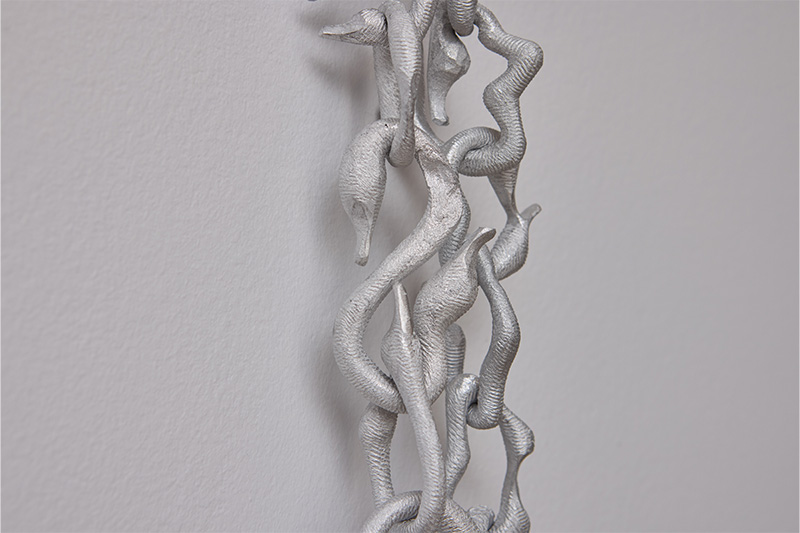
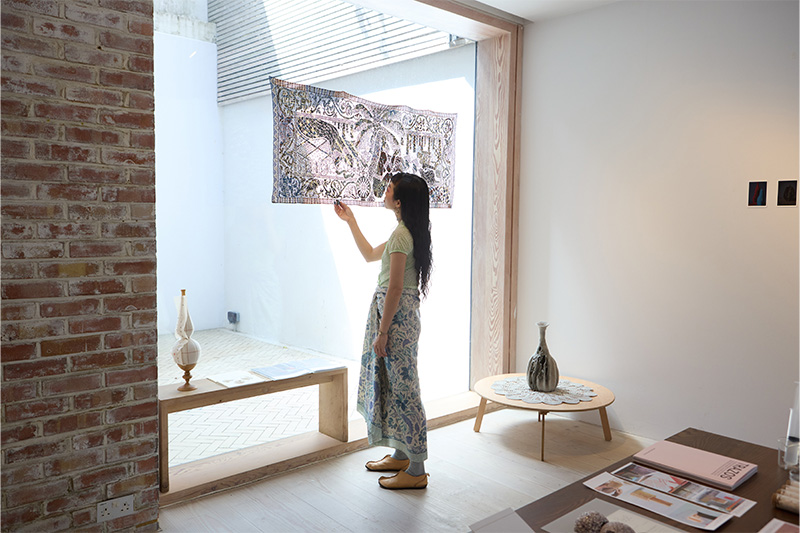
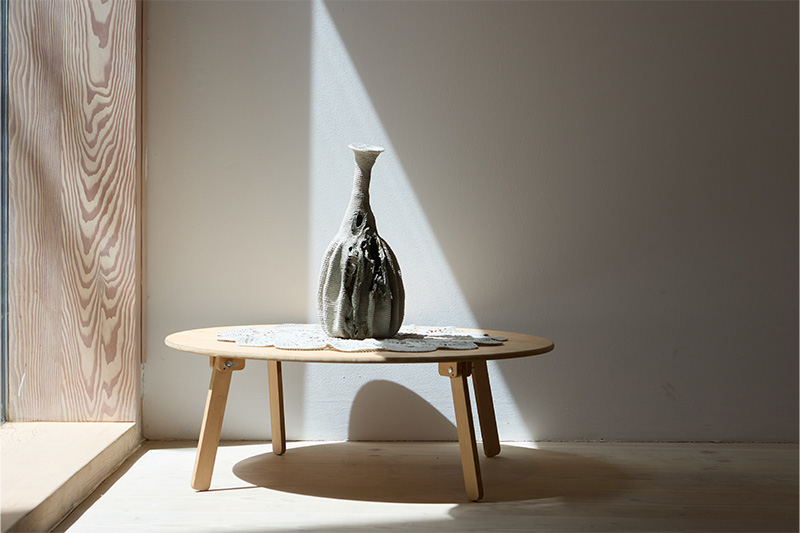
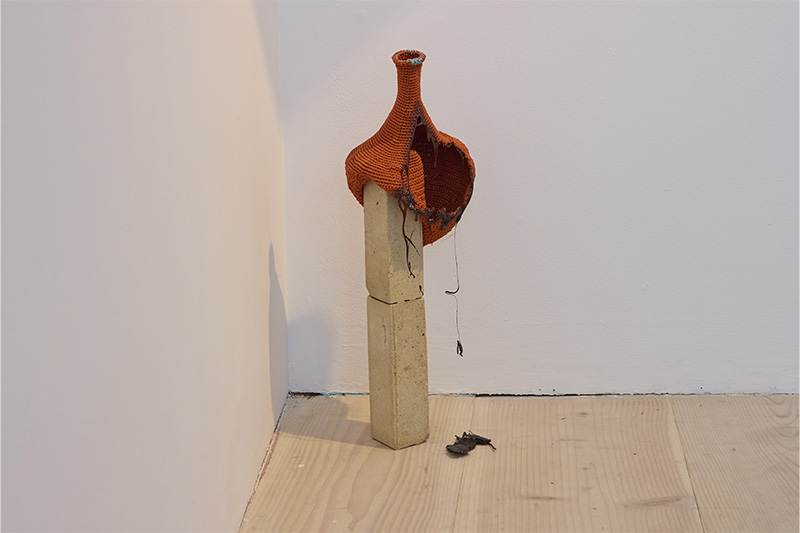
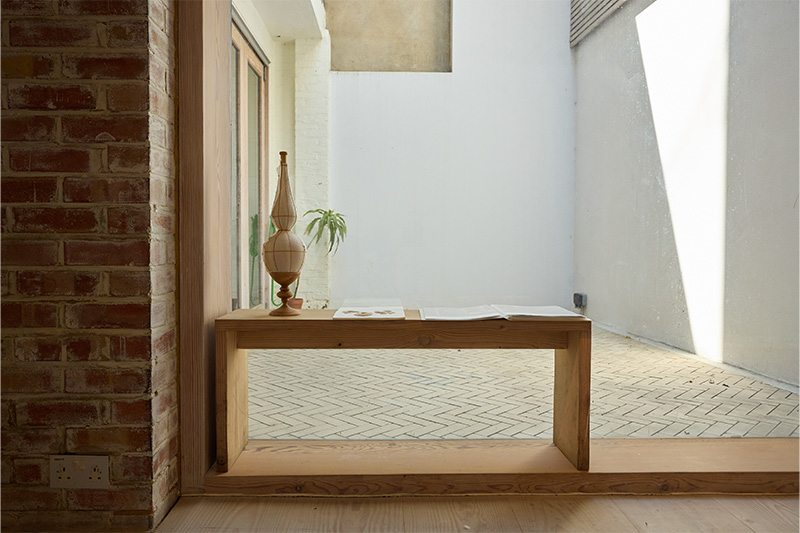
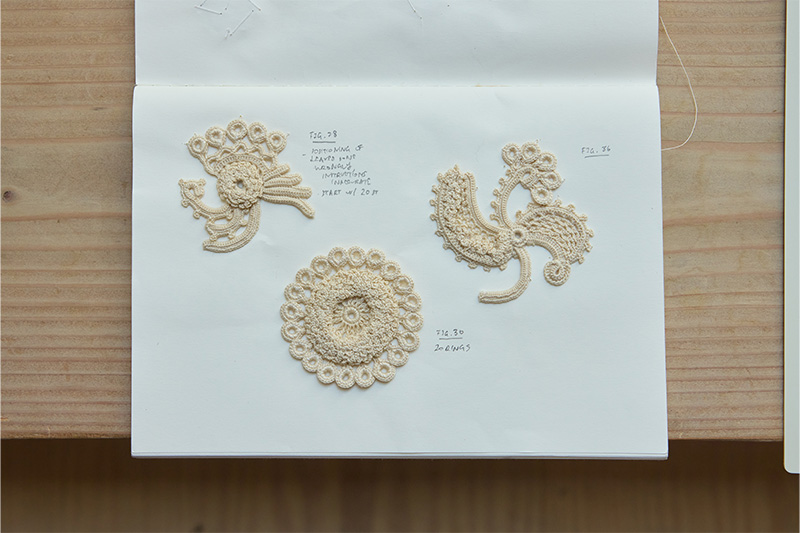
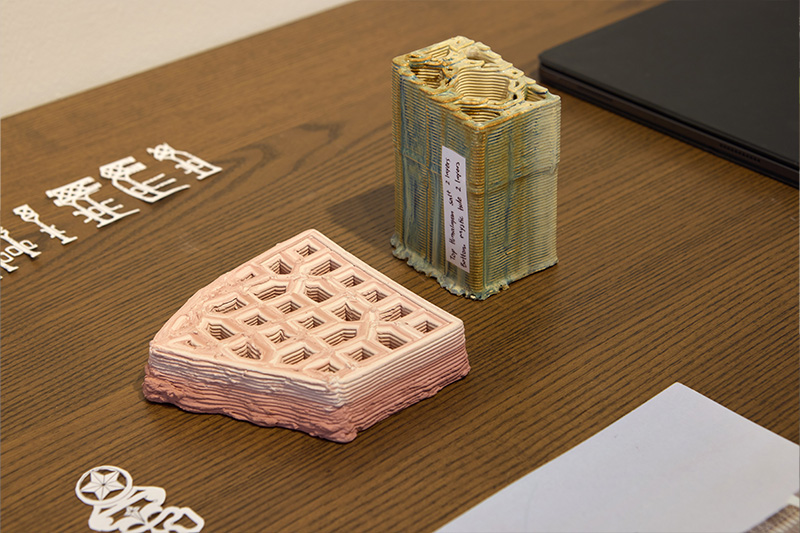
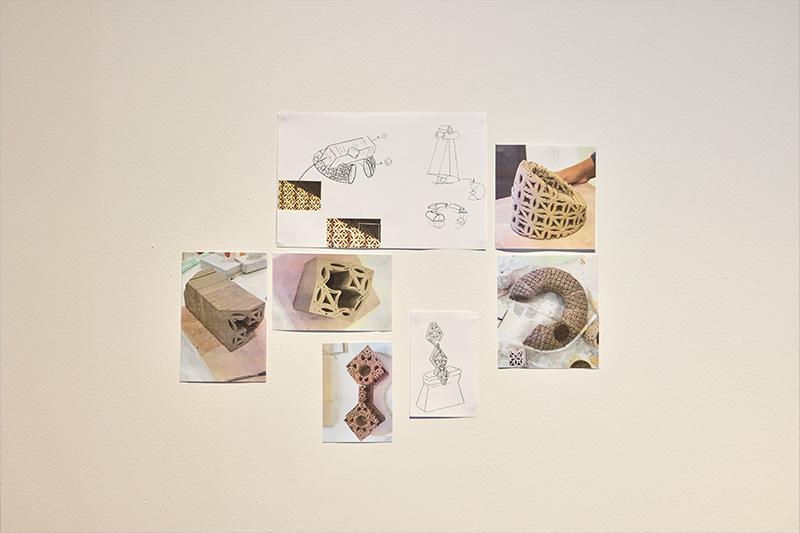
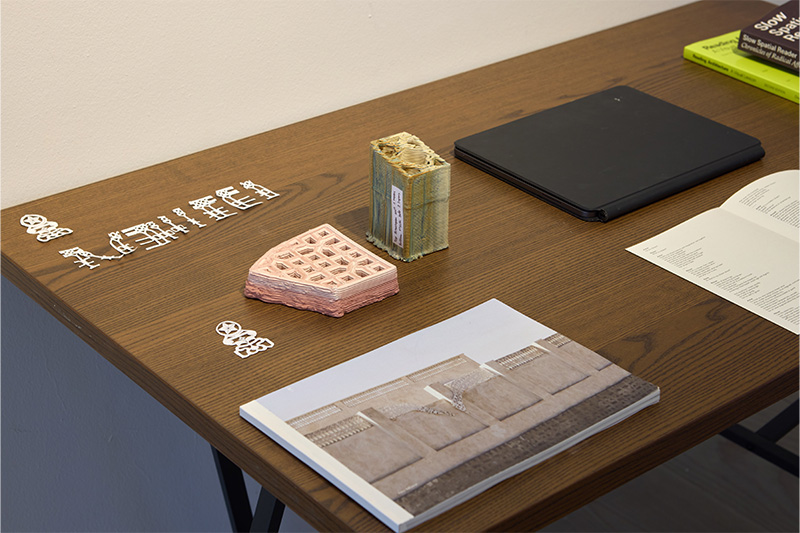
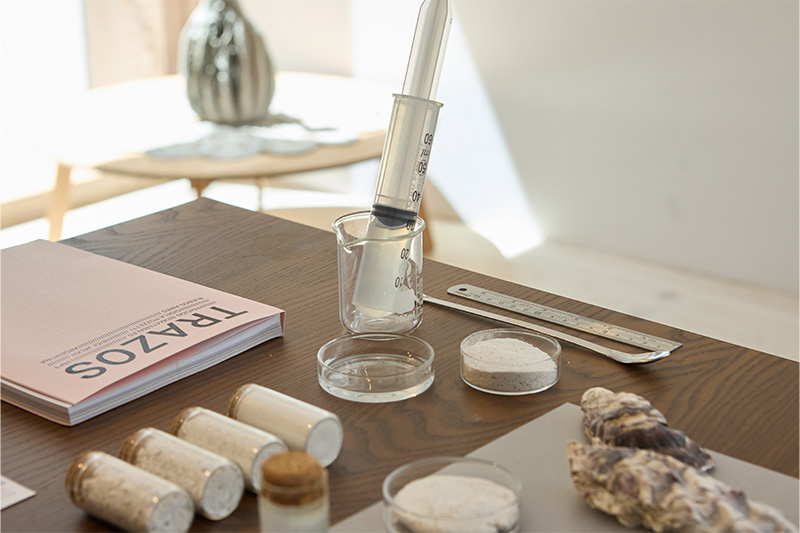
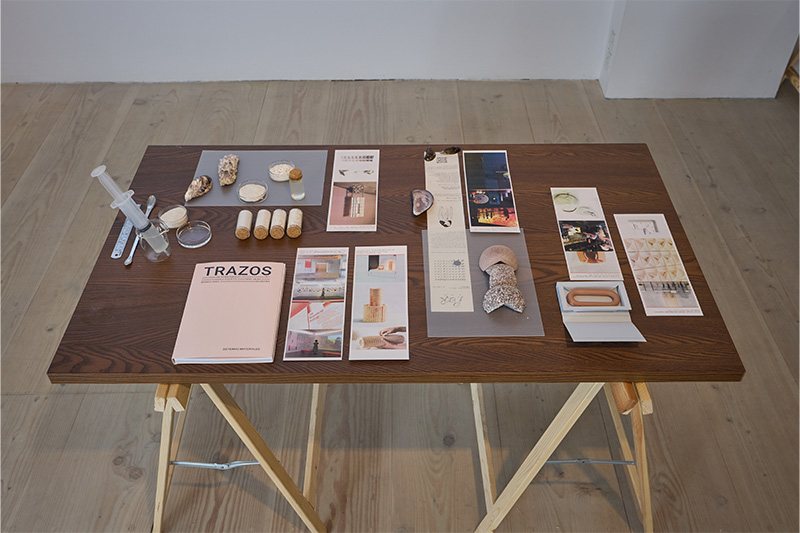
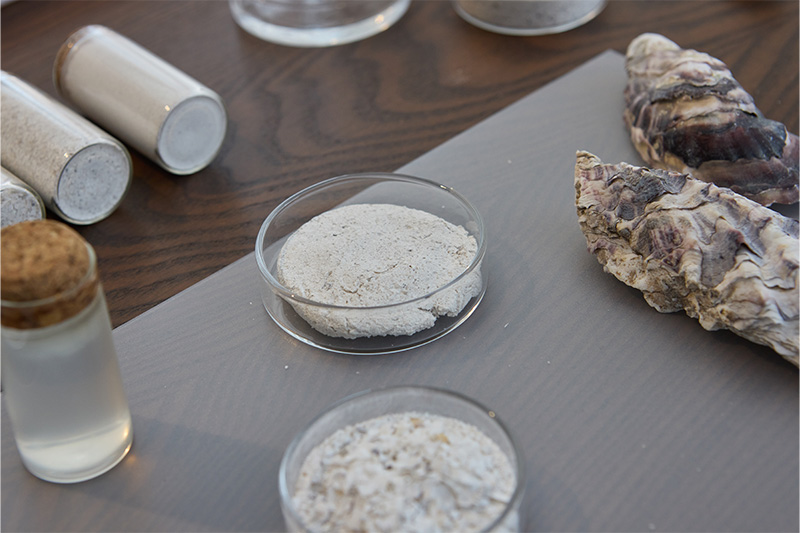
Heidi Jalkh: My practice explores what becomes visible when staying with a material. Materials become sites of inquiry rather than fixed subjects, allowing relationships to emerge through processes of making that connect ecology, science, design, craft, and embodied knowledge. These approaches take different forms, including materials, objects, conversations, publications, and collaborations, each offering a different point of entry into the same evolving inquiry
Delfina gave me something I hadn’t experienced in a very long time: the absence of urgency. It completely changed the conditions under which I could think. It created a space where, on the surface, nothing seemed to be happening, yet everything was happening at once. Ideas I had been carrying with me for some time slowly began to settle and connect, giving me a clearer sense of where I want to take my practice. I’m still following that thread.
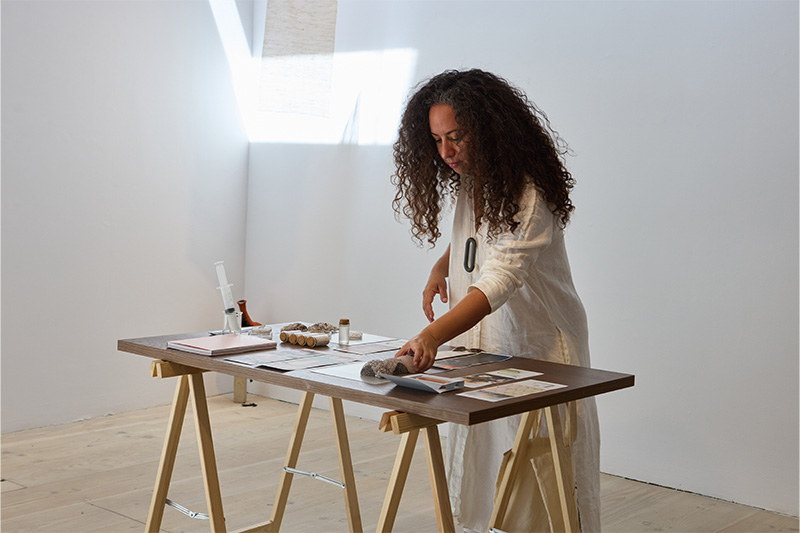
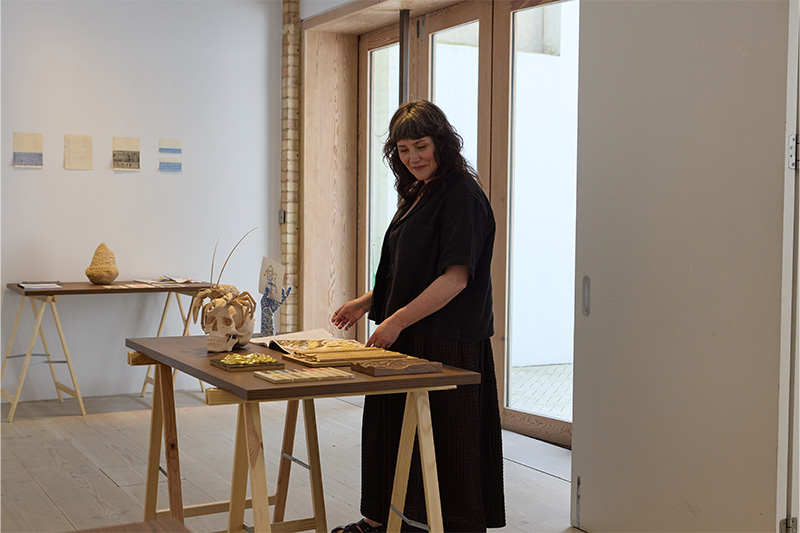
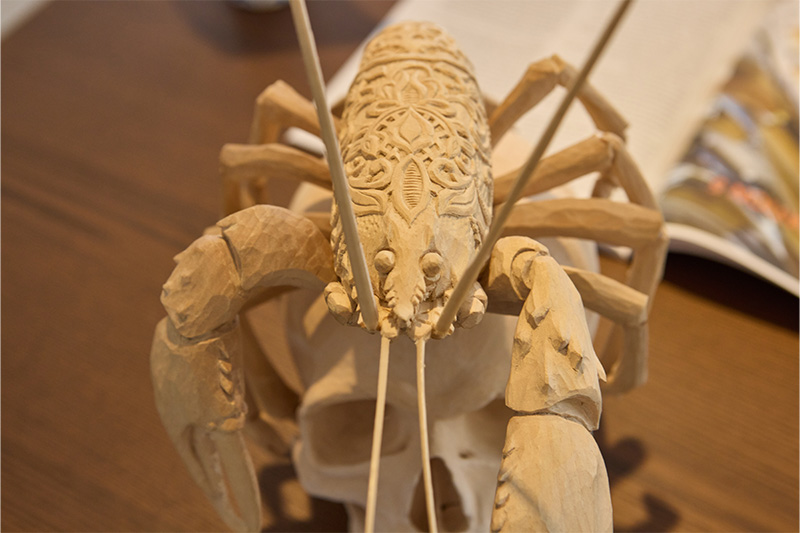
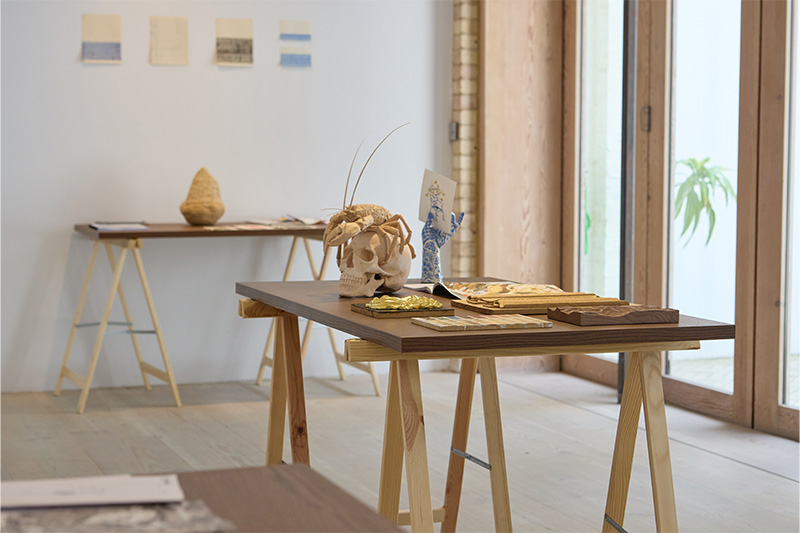
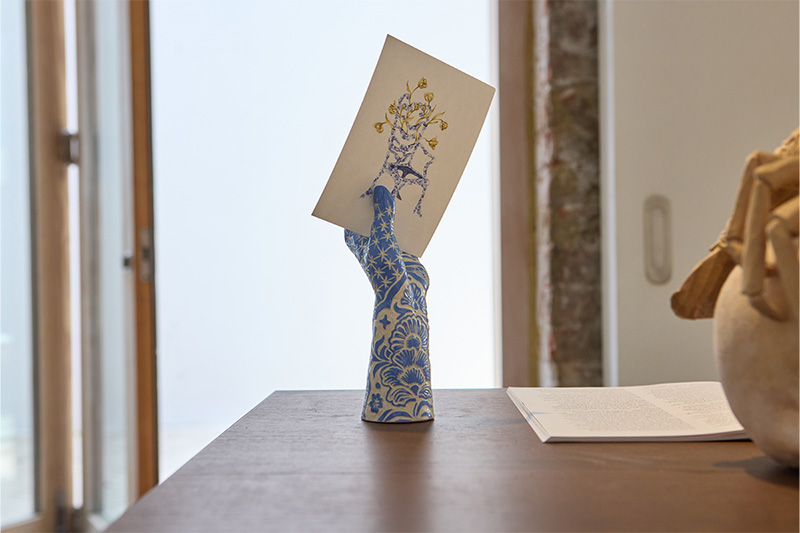
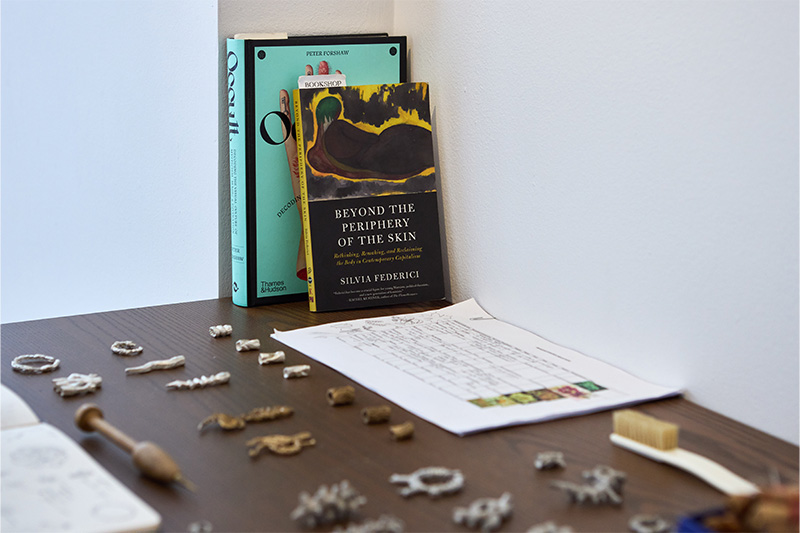
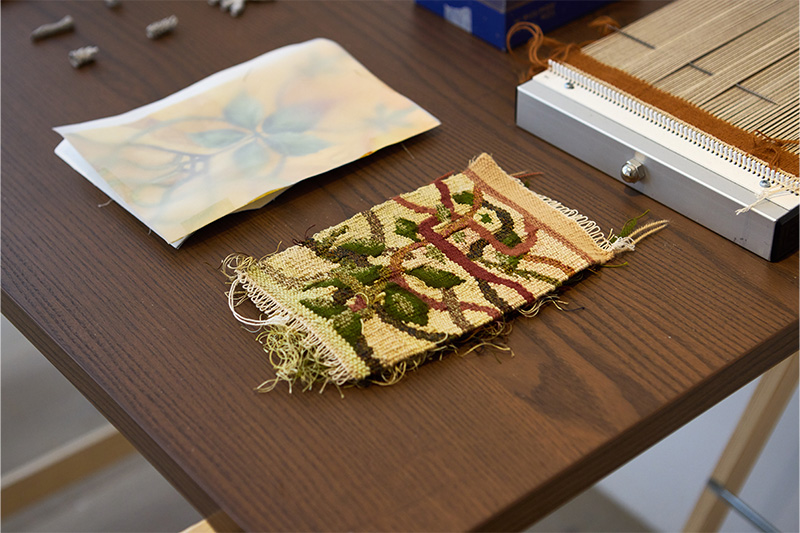
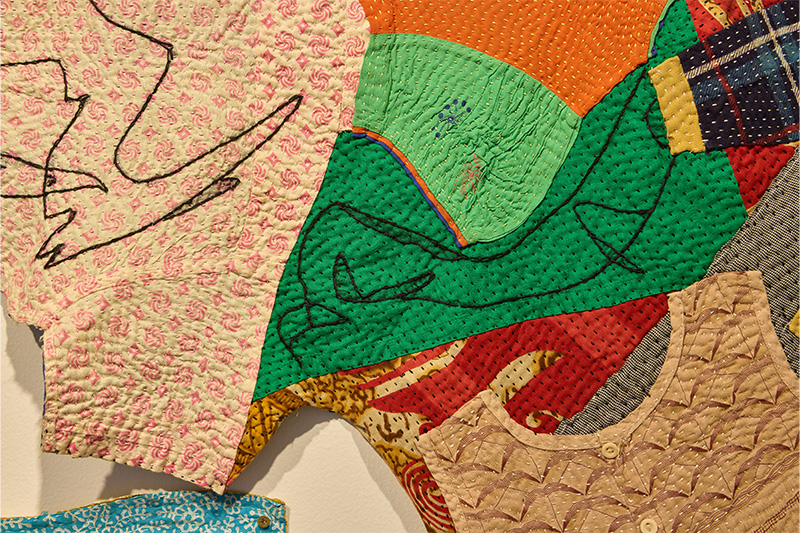
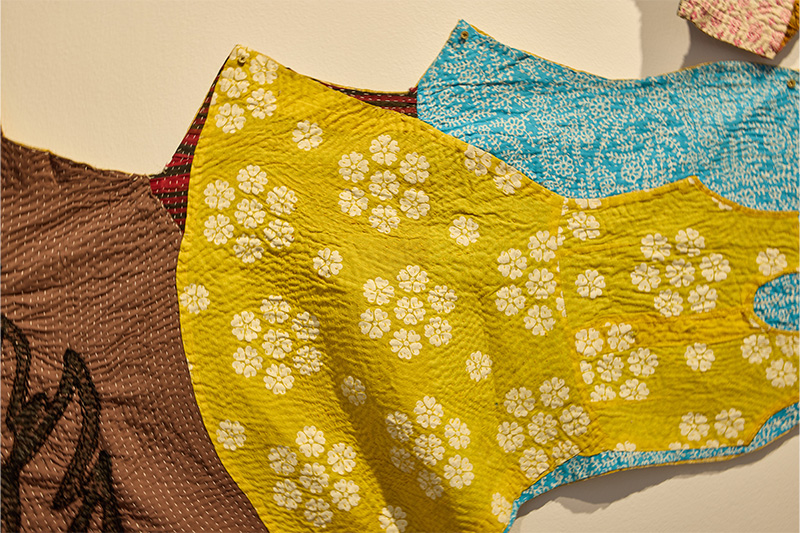
Chloe Bensahel: My time at Delfina has been both challenging and necessary for the work to broaden and deepen. This is the first time doing a residency without the means to weave (on a floor loom) so I had to, in a way, cease to identify myself in the act of weaving. I also arrived at Delfina on the tail end of a neck injury so I was keenly aware of the cost of craft on the body, and the ways in which, as makers, we give our bodies over to the material.
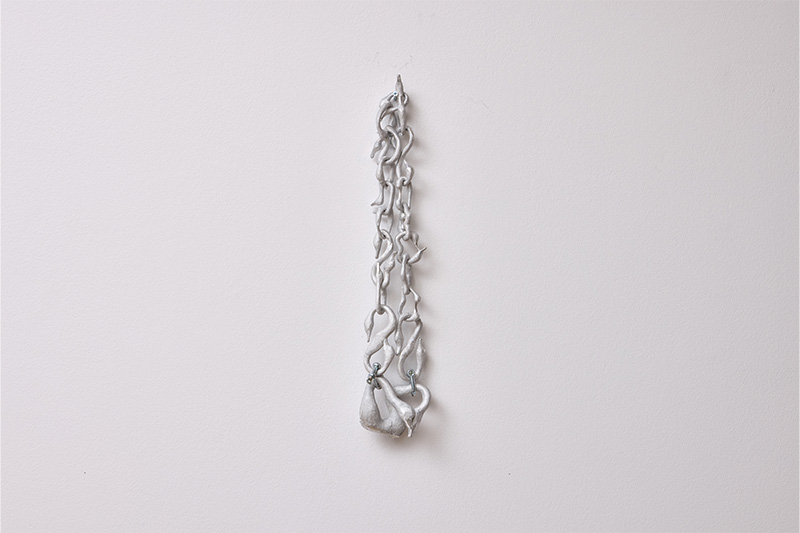
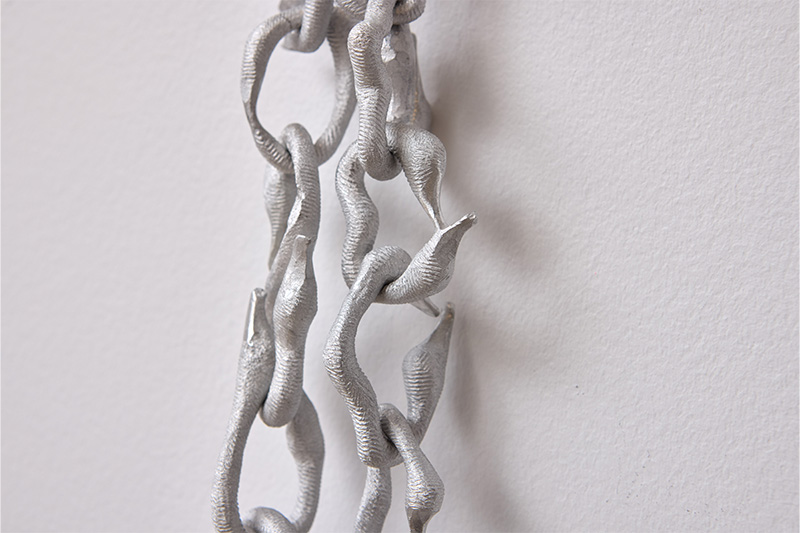
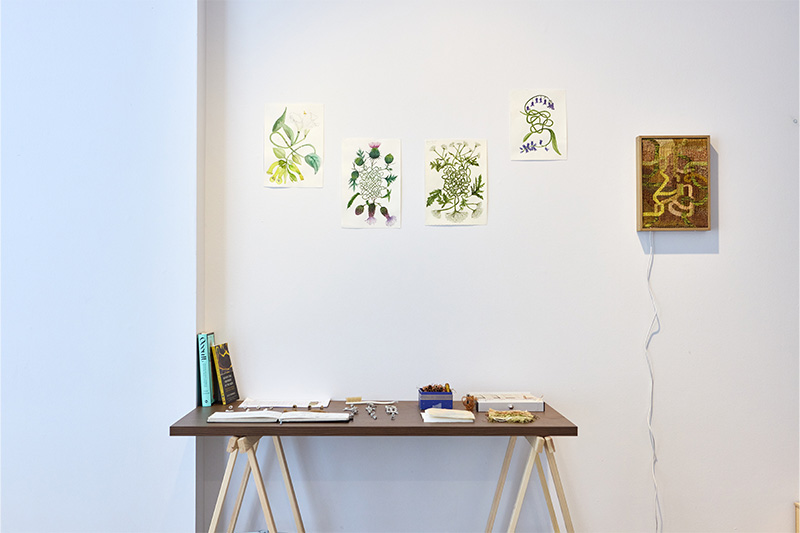
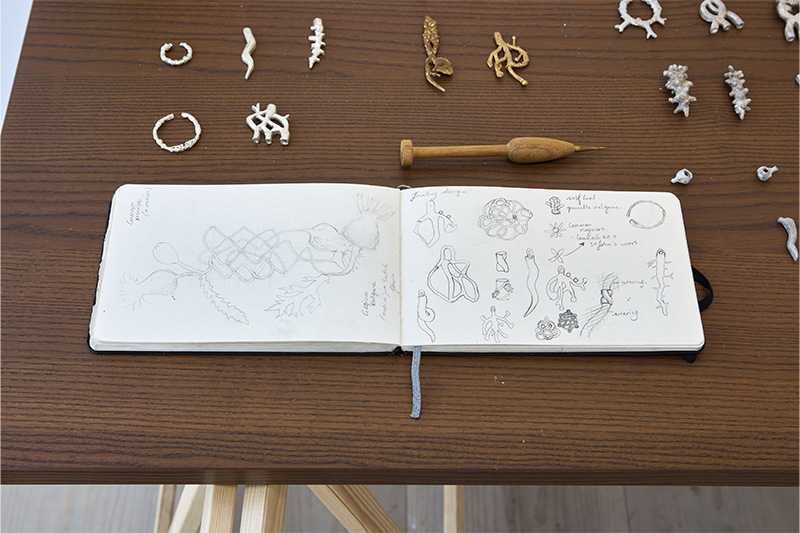
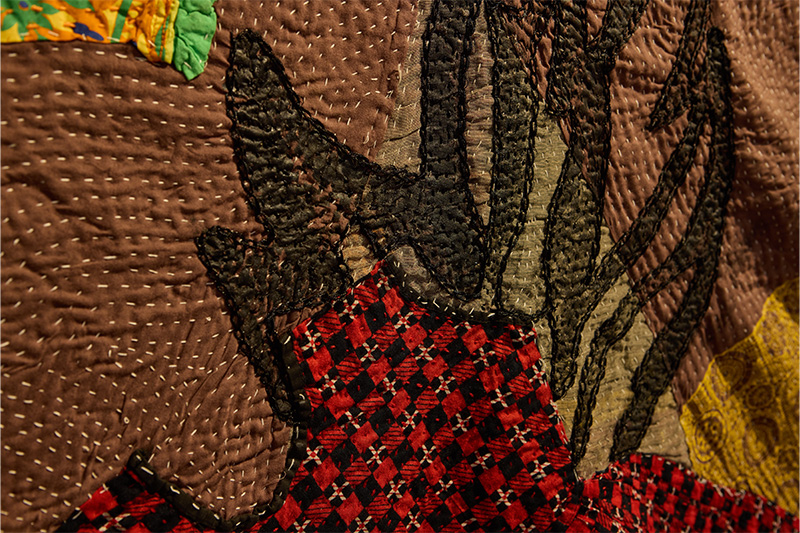
Instead of focusing on the weaving, I got to focus on developing an iconography, which is historically developed by painters as a gesture that is very much separate from the craft. I often work with invasive plant species in my work, so I studied the history of plants and the legacy of colonialism in the UK which led me as far as looking at magical traditions and talismans both at bookstores/libraries (Royal Horticultural Society, British Library, Treadwell’s) and museums (Pitt Rivers, V&A, Kew.)
Being at Delfina gave me the confidence to dive into new kinds of making, like botanical painting (which feels transgressive since painting is often relegated to high art vs. weaving as low art) and jewelry lost wax sculpting. I found a new language using roots as powerful symbols of protection and the right to a place, as well as a series of mirrored paintings which connect the invasive to the native. I leave the residency with a whole new branch of work that I hadn’t given myself permission or time to delve into. I fell into a gorgeous community of curators and thinkers who are as excited about botany, magic, and craft as I am.
All photos by Tom Carter.
With thanks to our partners and supporters:
Our spring 2026 residency partner is Armature for our UK Associates and public programming alongside valued supporters of our international residencies: Yukiko Ito, SAHA, Amaya-Boffi Collection, The Institutum, Seishodo Yamashita, E-Len Fu, Novum Foundation, Sultan Sooud Al-Qassemi, H.E Noura Al Kaabi, Rajeeb & Nadia Samdani, Jhaveri Contemporary, and Delfina’s regional networks of patrons for Asia-Pacific, Latin America & the Caribbean, Africa, Central & Eastern Europe, and the Middle East, North Africa and South Asia.